-
Michael Donaldson Joins the Legal Vision Podcast to Discuss Fair Use

Michael Donaldson recently joined filmmaker Damien Swaby’s “Legal Vision” podcast series in an episode entitled “Fair Use – Empowering Creators in the Digital Age – Michael C. Donaldson.” In his… Full story
-
Dale Nelson Authors Forbes Article Unpacking Major AI Fair Use Rulings
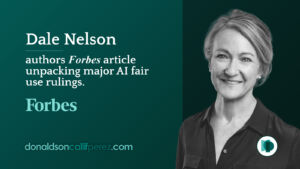
Dale Nelson recently penned a Forbes piece delving into two recent rulings in lawsuits involving Meta and Anthropic, respectively, that deemed the use of copyrighted books for training AI models to be… Full story
-
Lisa Callif Honored in the Daily Journal’s Inaugural “Niche Lawyers” Issue
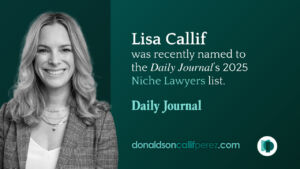
Lisa Callif was recently selected as one of the Daily Journal’s leading “Niche Lawyers” for 2025. The inaugural list highlights California’s top lawyers specializing in obscure or niche practice areas. In… Full story
-
Madison Karsenty Highlights Legal Essentials for Film & Television on the Legal Vision Podcast

Madison Karsenty recently appeared alongside host and filmmaker Damien Swaby on the “Legal Vision” podcast. In the episode, entitled “Legal Essentials for Film & TV – Madison Karsenty,” Madison breaks… Full story
-
Dale Nelson Delves into Free Speech and Rights of Publicity on the “Legal Vision” Podcast
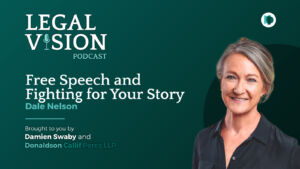
Dale Nelson recently appeared on host and filmmaker Damien Swaby’s “Legal Vision” podcast in an episode entitled “Free Speech and Fighting for Your Story.” In her appearance, Dale and Damien… Full story
-
Dale Nelson and Victoria Rosales Pen Article on AI Tips for Documentary Filmmakers in IDA’s Documentary Magazine
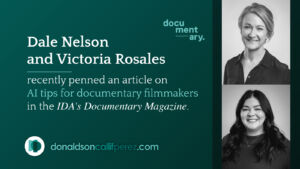
Dale Nelson and Victoria Rosales recently authored a piece in the International Documentary Association’s Documentary Magazine offering advice for documentary filmmakers on how to use artificial intelligence ethically and effectively. The article,… Full story
-
Lisa Callif and Chris Perez Named 2025 “Entertainment Business Visionaries” by LA Times Studios

The firm is pleased to announce that Partners Lisa Callif and Chris Perez were lauded as 2025 “Entertainment Business Visionaries” by LA Times Studios for their outstanding achievements over the past year.… Full story
-
Chris Perez Unpacks Independent Film Financing and Distribution on the “Legal Vision” Podcast
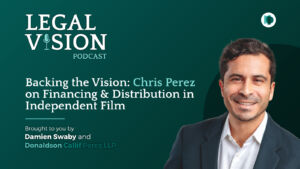
Chris Perez recently joined host and filmmaker Damien Swaby on the “Legal Vision” podcast in an episode entitled “Backing the Vision: Chris Perez on Financing & Distribution in Independent Film.”… Full story
-
Donaldson Callif Perez, Legal Champion for Independent Creators, Moves Two Up in Rank

Leading entertainment law firm Donaldson Callif Perez LLP is pleased to announce that, effective June 10, 2025, Madison Karsenty and Alexandre Yousefzadeh have been elevated to Partner. Ms. Karsenty joined the Firm in 2021, bringing with… Full story
-
Alex Yousefzadeh Discusses Clearance on the “Legal Vision” Podcast

Alex Yousefzadeh recently joined the “Legal Vision” podcast, where he spoke to host and filmmaker Damien Swaby in an episode entitled “Navigating Clearance in Entertainment.” In the episode, Alex and… Full story
-
Michael Donaldson Pens Realscreen Article Unpacking the Effects of Tariffs on Independent Filmmakers
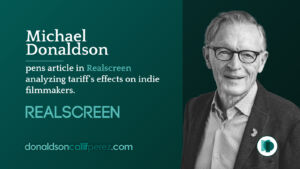
Michael Donaldson recently authored a piece in Realscreen analyzing President Donald Trump’s recently proposed tariffs on foreign-produced films and the potential impact such legislation could have on the film industry. In the… Full story
-
Dale Nelson Authors Forbes Piece on Politicial Turmoil Facing the Copyright Office
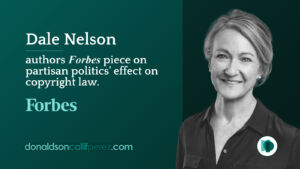
Dale Nelson recently penned an article in Forbes entitled “Trump’s Firings Test Separation Of Powers–and Copyright Law,” unpacking the methods utilized by the second Trump administration to target copyright law, and the… Full story